Helpful Tips to Horizon Fence Company Austin
Fence Maintenance Tips for Every Season: Keep Your Fence Looking Its Best All Year
Seasonal care for your fence is critical for maintaining both the durability and aesthetics of exterior fencing structures. Consistent evaluations and upkeep can guard against weather-related damage and pest infestations. Every season brings distinct challenges and responsibilities that demand care. Recognizing these periodic maintenance duties can significantly improve your fence's strength and visual charm. Yet, a large number of homeowners tend to ignore these vital maintenance steps. Therefore, what targeted actions should be taken to keep a fence in optimal condition across all seasons?
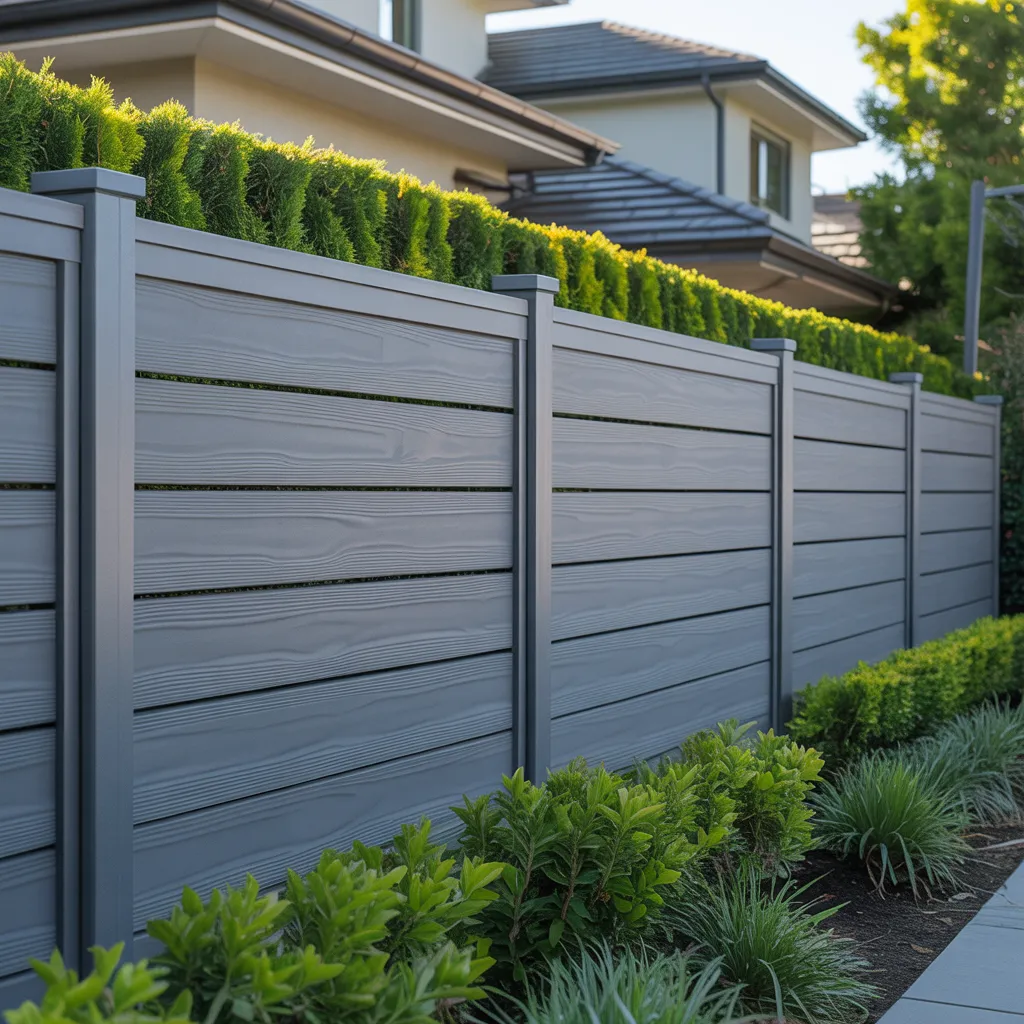
Why Regular Seasonal Fence Upkeep Is Crucial for Durability and Visual Appeal
Routine seasonal fence care reflects an investment in sustaining both the longevity and aesthetic quality of outdoor fencing installations. Consistent maintenance is critical for guarding against deterioration from harsh weather, pest activity, and everyday deterioration. In the case of wood fences, methods including protective coatings and staining defend against dampness and deterioration, considerably increasing their longevity. Metal fences benefit from inspections for rust or corrosion, which, when neglected, may result in serious structural compromise.
In addition, a properly maintained fence boosts the overall look of a yard, offering a refined look that accentuates outdoor landscaping. Regular seasonal inspections enable timely repairs, preventing small problems are kept from becoming costly replacements. By committing to seasonal maintenance, homeowners not only protect their financial investment but also support the general appeal and worth of their residence. Regular care ultimately reflects a homeowner's devotion to their yard, fostering a warm environment for loved ones and visitors alike.
Spring Cleanup: Your Essential Fence Maintenance Checklist
When winter transitions to spring, homeowners ought to focus on a thorough fence maintenance checklist to secure their outdoor structures remain in top condition. To important resource begin, a thorough inspection of the fence is crucial. Property owners need to look for loose boards, rust, and any signs of damage or decay. Furthermore, debris removal is vital; clearing away leaves, dirt, and other materials stops moisture from building up and compromising the integrity of the fence.
Scrubbing is the second stage. A gentle power wash or scrubbing with soapy water can clear away grime and buildup. After washing, homeowners should assess whether a fresh coat of sealant or stain is necessary to protect against upcoming environmental conditions. Additionally, inspecting the fence posts and confirming they are stable will enhance durability. Finally, resolving any overgrowth concerns, such as excessive foliage, guarantees the fence remains in good condition and easy to access throughout the year.
Summertime Care: Defending Your Fence Against Sun Exposure
During the summer months, regular maintenance is crucial for preserving a fence's durability against harsh sunlight. Prolonged sunlight can cause materials like wood to crack, warp, or fade, compromising both appearance and durability. To preserve a wooden fence, periodic staining or sealing is suggested. This not only enhances aesthetics but also creates a shield against harmful UV rays.
With vinyl and metal fences, washing with a gentle detergent and water helps prevent discoloration and rust. Furthermore, examining for signs of damage, like loose boards or areas of rust, allows for timely repairs before issues worsen. It is equally important to cut back surrounding vegetation to reduce shading and moisture buildup, both of which can affect the fence's condition. By following these summer maintenance strategies, homeowners can guarantee their fences remain resilient and visually appealing throughout the season.
Setting Up Your Fence for Winter: Important Fall Duties
A proactive approach to fence maintenance in the fall can considerably increase its longevity and usefulness through the winter months. Homeowners should begin by thoroughly inspecting the fence for deterioration, like cracks, loose boards, or rust. Any necessary repairs should be made promptly to prevent further deterioration. Clearing the fence is also critical; eliminating dirt, mold, and debris preserves its look and deters pest infestations.
In addition, using a protective sealant or stain helps defend against moisture and freezing temperatures. With wooden fences, pruning any overhanging branches helps prevent snow and ice from accumulating on the structure, lowering the risk of damage. To finish, stabilizing or reinforcing any loose posts will allow the fence to hold up against harsh winter conditions. By following these important measures in the fall, homeowners can ensure their fences stay strong and attractive throughout the winter season.
Getting Your Fence Ready for Winter: Critical Steps for Protection
Preparing a fence for winter demands close attention to its state and protective steps. Homeowners are advised to start by examining any wear or damage that might have developed over the course of the year, ensuring that repairs are made promptly. Once this inspection is done, using protective sealants can help shield the fence from the damaging effects of harsh winter weather.
Check For Damage
Examining for damage is vital as the cooler season arrives, making sure fences stay strong and reliable. Residents should carry out a comprehensive assessment of their fence , identifying evidence of damage including splits, rot, or insect activity. Pay particular attention to the base of wooden posts, where the buildup of moisture can cause degradation. Metallic fencing structures are prone to rust and corrosion, as vinyl alternatives are susceptible to becoming fragile in harsh winter conditions. Loose boards or panels should also be identified and repaired to avoid additional deterioration in severe conditions. Routine checks not only extend the fence's durability but also preserve the property's visual appeal. Tackling concerns without delay can minimize the time and money spent on more significant repairs in the future.
Implement Protective Coatings
Upon detecting any damage through careful inspection, applying protective coatings serves as a vital step in preparing the fence for winter. The process requires choosing the right product depending on the fence material, whether wood, vinyl, or metal. When it comes to wooden fences, a superior sealant or stain works to block moisture penetration and discourage rot. Metal fences respond well to rust-resistant paint, which protects against corrosion. Vinyl fences often need specific cleaners combined with a UV protectant to maintain their appearance. Correct application methods, such as using brushes or sprayers, guarantee an even coating. Ensure enough drying time before the winter season arrives, because this maximizes the coating's effectiveness. Ultimately, protective coatings considerably extend the lifespan and aesthetics of fences amid challenging winter conditions.
Identifying and Fixing Common Fence Problems
Preserving the condition of a fence necessitates careful attention to detect and correct typical problems before they escalate. Homeowners should regularly inspect their fences for indicators of wear, such as rot, loose boards, or rust. Loose boards can be quickly addressed by replacing damaged sections or tightening screws, while rust on metal fences may require thorough sanding followed by a fresh coat of paint.
Moreover, it is necessary to check for leaning or sagging posts, which can suggest a compromised foundation. If discovered, homeowners will need to stabilize or reposition the posts to regain proper support.
Another frequent problem is the existence of pests, such as termites and carpenter bees, which can weaken wooden fences. Timely detection and treatment are critical to minimize extensive damage. Consistent fence maintenance and ensuring proper drainage can also address problems caused by moisture. By remaining proactive, homeowners can preserve the longevity and aesthetics of their fences.
Picking the Best Treatments and Sealants for Your Fence Material
Tackling frequent fence issues creates a foundation for proper upkeep, including the selection of appropriate treatments and sealants tailored to specific materials. Wood fences, for instance, benefit from penetrating sealants that prevent moisture damage and repel pests. A high-quality stain can enhance aesthetics while offering protection against UV rays.
Vinyl fences, by contrast, demand less rigorous upkeep; a straightforward scrub with soap and water is usually all that is needed. When it comes to metal fences, rust-resistant paint or sealants are essential for prolonging their lifespan, as they guard against corrosion.
It is essential to consider climate conditions when deciding on treatments. In areas with high humidity, as an example, mildew-resistant treatments may be required. Ultimately, opting for the correct treatment not only maintains the fence's aesthetic but also strengthens its resilience, ensuring that it withstands seasonal changes effectively.
How to Know When You Need Help From a Fencing Professional
When is it time for homeowners to consider reaching out to a professional fence contractor? There are several key indicators that suggest it may be time to seek expert assistance. For starters, if a fence exhibits considerable signs of damage, such as serious tilting, major cracks, or widespread decay, a skilled specialist can inspect the damage and advise on proper repairs or replacements. Additionally, if the fence demands complicated changes or additions—like installing gates or increasing height—an professional's expertise will ensure adherence to local codes and optimal performance.
Moreover, homeowners facing challenges with persistent pests, such as termites or aggressive plant growth, may benefit from a fence professional's specialized treatment approach. To conclude, if a homeowner feels overwhelmed by the maintenance demands or is without the proper equipment and know-how, bringing in a fencing professional can save valuable time while ensuring superior results. In the end, recognizing these signs can help homeowners maintain their fences in peak condition.
Popular Questions Answered
How Frequently Should I Check My Fence for Damage?
Periodic fence evaluations are recommended at least twice a year, with spring and fall being the ideal times. Additional inspections are recommended following intense weather conditions to swiftly recognize and handle any potential damage.
What Fence Materials Require the Least Maintenance?
Vinyl and aluminum fences require the least maintenance due to their durability and resistance to rot, rust, and fading. These materials typically need only occasional cleaning, making them a perfect choice for low-maintenance fencing needs.
Am I Able to Paint My Fence Throughout the Year?
Painting a fence can be done year-round, but ideal conditions occur in mild, dry weather. Excessive heat, cold, or humidity can influence paint adhesion and drying time, possibly causing an uneven finish or future peeling.
In What Ways Do Weather Conditions Influence Fence Maintenance Schedules?
Weather conditions notably impact fencing maintenance routines. Rain and humidity can delay painting or staining, as severe heat has the potential to warp materials. Transitions between seasons necessitate timing changes in maintenance to guarantee ideal care and longevity.
What Tools Are Needed for Basic Fence Maintenance?
Proper fence upkeep calls for a few essential tools: a power washer or hose, brushes, paint or stain spreading tools, a sturdy hammer, nails and fasteners, a leveling tool, and appropriate protective gear. With these tools, you can maintain your fence effectively and maximize its durability.