Discover Quality Fence Installation Austin for Custom Gate Installation
Skilled Fence Repair Services: Bring Back Your Fence's Beauty and Performance
Expert fence repair services play a vital role in upholding the visual and functional integrity of properties. Fences experience a wide range of damage, from rot to pest infestation, which can compromise security and property value. Experienced professionals evaluate these concerns carefully and formulate effective repair strategies. Understanding the nuances of fence repair can significantly influence long-term upkeep. What measures should property owners take when confronting these issues?
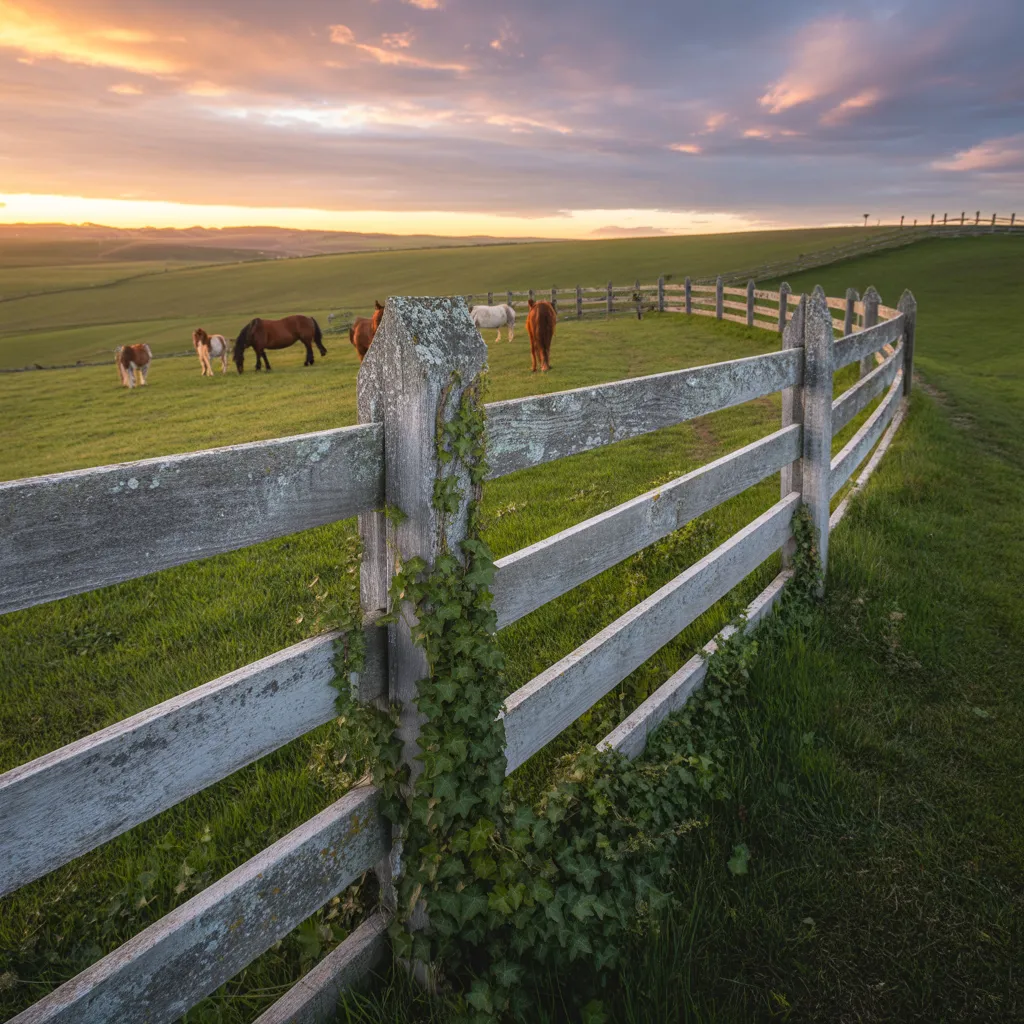
The Role of Fence Repair in Property Value and Safety
Keeping a well-maintained fence is crucial for ensuring the security and value of any property. A durable and visually attractive fence improves the general appearance of a property, raising its appeal to those looking to purchase. A complete and undamaged fence establishes clear boundaries, offering peace of mind and protection for both homeowners and their animals. Neglecting fence repair can lead to deterioration, ultimately reducing the worth of the property and creating greater safety concerns.
Additionally, a broken fence can draw in trespassers and wildlife, posing potential safety hazards. Prompt repairs help avoid additional problems, making sure the fence fulfills its role properly. Routine upkeep also prolongs the life of the fence, helping homeowners avoid costly expenses over time. Ultimately, prioritizing fence repair not only protects the physical structure but also contributes to the overall safety and aesthetic integrity of the property.
Frequent Types of Fence Damage and Their Origins
Fences commonly experience damage due to a range of environmental and biological causes. Climate-related concerns, including heavy rain, snow, or intense heat, are capable of deteriorating materials and causing structural damage. Additionally, pest infestations can compromise the integrity of a fence, making timely repairs essential for upholding safety and visual appeal.
Climate-Related Damage Factors
Harsh weather conditions can significantly compromise the structural integrity of fences, resulting in different kinds of damage. Powerful gusts often cause panels to warp or snap, while torrential downpours can lead to oversaturated earth that weakens the base of the fence. The buildup of snow can exert additional pressure, causing structural strain or collapse, especially in wooden fences. Furthermore, severe temperature fluctuations can cause materials to expand or contract, leading to cracks and warping. Prolonged UV radiation can degrade coatings and compromise structural integrity over time. These environmental influences not only affect the visual integrity of a fence but also its performance, making immediate repairs essential to ensure long-lasting performance and protect property value. Routine evaluations can help identify potential issues before they become more serious.
Pest Infestation Issues
Pest invasions can gradually deteriorate the integrity of a fence, leading to significant harm over time. Frequent offenders include termites, which consume wooden structures, producing structural weakness and potentially collapse. Carpenter ants, another destructive species, excavate wood to create nests, additionally weakening the fence's stability. Additionally, rodents may gnaw through fencing materials, looking for shelter or food. Such infestations frequently remain undetected until significant harm has occurred, necessitating costly replacements or repairs. Consistent monitoring and swift treatment are necessary to minimize these risks. By addressing pest issues early, homeowners can protect the functionality and appearance of their fences while preventing long-term damage brought about by these destructive pests.
How to Recognize Fence Damage
A thorough inspection can expose numerous signs of fence deterioration that could easily go unnoticed. Residents should begin by examining the posts for rot or decay, often found at the ground line where dampness builds up. Visible cracks or bending in the wood can point to structural instability. Moreover, checking for loose or missing nails and screws is critical, as these can compromise the fence's integrity.
One other critical factor is to evaluate the panels for distortion or slanting, which could indicate deeper problems. Metal fences should be examined for rust or corrosion, while PVC fencing might show signs of color loss or surface cracks. Additionally, spaces where the fence meets the ground can suggest soil erosion or pest infiltration. Routine checks allow homeowners to identify these issues early, ensuring timely repairs and maintaining the fence's functionality and aesthetic appeal.
What Do Fence Repair Specialists Do?
Fencing repair professionals assess and address numerous problems to reinforce and preserve the structural quality of fences. They begin by conducting a comprehensive assessment, locating issues including weakened panels, oxidized hardware, or foundational damage. After the issues have been identified, the experts design a customized restoration strategy that can consist of replacing damaged sections, applying protective coatings, or reinforcing weak spots.
Beyond structural fixes, fence repair experts also offer upkeep guidance to extend the life of the fence. This often encompasses guidance on routine checkups, cleaning, and defense against pests and weather-related wear. When needed, they can provide guidance on selecting appropriate materials that align with the original fence aesthetic while securing lasting strength. In the end, their specialized skills confirm that the fence not only looks appealing but also functions effectively, offering both protection and added value to the premises.
Why Hire a Fence Repair Expert?
Why should property owners consider hiring a fence repair expert? Working with a professional can ensure that all repairs are carried out thoroughly and effectively, safeguarding the integrity of the fence. Skilled specialists bring the essential capabilities, instruments, and insight needed to properly assess damage and execute the right solutions. This expertise helps in identifying underlying issues that may not be visible to the untrained eye, preventing future complications.
In addition, experienced contractors understand local regulations and can maintain regulatory compliance, minimizing the risk of legal issues. Bringing in a professional also conserves valuable time; property holders can bypass the unpredictable process typically linked to DIY work. In addition, a well-repaired fence enhances property aesthetics and value, providing a return on investment. At the end of the day, property owners can enjoy peace of mind knowing that their fence is in capable hands, freeing them to concentrate on other critical areas of home upkeep.
DIY or Professional Fence Repair: Which Option Is Right for You?
When thinking about fence repair, one should consider personal skill levels and the time investment required for the task. Moreover, a price analysis between doing it yourself and hiring a professional can significantly impact the decision. Weighing these factors will assist in identifying the most practical approach for fence repair.
Gauge Your Skills Honestly
Figuring out whether to approach fence repair independently or enlist professional help relies on an honest evaluation of your capabilities. Homeowners need to honestly evaluate their experience with tools and experience with fencing materials. Individuals with prior home improvement knowledge may feel confident handling small fixes, such as swapping out boards or securing nails. On the other hand, complicated problems like structural damage or electrical components require professional expertise that may exceed a novice's capabilities. Moreover, gauging physical stamina is vital; fence repair can demand considerable effort. At the end of the day, recognizing personal limitations can prevent costly mistakes and guarantee that repairs restore the fence's performance and visual appearance. Taking a thoughtful approach will lead to a greater sense of satisfaction, whether opting for a DIY approach or hiring a professional.
Assess Time Commitment Required
How much time is available for fence repair can greatly influence the choice between a DIY method and bringing in a professional. Homeowners should carefully consider their time constraints and availability. A do-it-yourself project might seem like a good idea, but it frequently demands a significant time investment, especially for those lacking experience. Tasks such as taking out old materials, taking measurements, and putting in new sections can be lengthy and labor-intensive. On the other hand, experienced professionals contribute efficiency and know-how, typically wrapping up repairs much more quickly. When considering the time commitment, homeowners should also account for possible setbacks caused by weather or unexpected issues. In the end, a clear understanding of available time can help homeowners identify the best possible choice for their fencing repair requirements.
Comparing Costs: DIY vs. Pro
While weighing the expenses of handling fence repairs independently complete article against hiring a professional, homeowners must take into account not only the monetary expense but also the importance of their personal time. DIY repairs often look cost-effective upfront, primarily covering material costs. However, homeowners must account for possible errors, which can cause additional expenses. On the other hand, professional services may have higher initial fees, but they offer skilled craftsmanship, expert knowledge, and guarantees, ensuring enduring value. Assessing the scope of the repair is crucial; straightforward issues may lend themselves to DIY, while major deterioration may call for professional intervention. Ultimately, the decision copyrights on balancing immediate costs with future benefits and the homeowner's comfort level with DIY tasks.
Tips for Maintaining Your Fence After Repairs
Once fence repairs are complete, homeowners should prioritize proper maintenance to maximize the longevity of their investment. Routine inspections are essential; checking for loose boards, rust, or signs of rot can keep small issues from becoming larger ones. Washing the fence regularly with a mild soap solution works to clear away dirt and mildew, keeping it looking its best.
Moreover, using a protective sealant or stain every couple of years will shield the surface from weather damage and UV rays. Homeowners should also ensure that plants and shrubs are trimmed to keep overgrowth from causing damage to the fence.
Adequate drainage is essential; verifying that water does not accumulate at the bottom of the fence can prevent harm caused by excess moisture. Finally, preserving an open space around the fence helps reduce the risk of accidental collisions from lawn machinery or bulky items. Applying these recommendations will sustain the fence's aesthetic and structural integrity long after the restoration work is finished.

Frequently Asked Questions
How Long Does a Typical Fence Repair Take?
A standard fence repair typically takes from a few hours up to a couple of days, based on the severity of the damage and the type of materials used. Weather conditions and other factors may also affect the timeframe.
What Are the Best Materials for Fence Repairs?
Wood, vinyl, and metal serve as excellent choices for fence repairs. Each option comes with its own set of benefits: wood enhances visual appeal, vinyl ensures long-lasting performance, and metal provides superior strength. Picking the best material is determined by particular needs and surrounding environmental elements.
Is It Possible to Paint My Fence Following Repairs?
Yes, painting a fence after repairs is possible and often recommended. Doing so boosts visual appeal while also delivering protective benefits. It's crucial to verify the surface is clean and dry before applying paint for best adherence and longevity.
Does Homeowners Insurance Cover Repairs?
Such repairs could be covered under homeowners insurance, based on the specific policy terms and the nature of the damage. Homeowners are encouraged to examine their specific policy details or contact their insurance provider to clarify eligibility for repairs.
What Can I Do if My Fence Is Leaning?
When a fence begins to lean, the property owner should evaluate the reason, including rot or ground erosion. Reinforcing the posts or adjusting the level might be required, and expert assistance can ensure a durable fix.